
An introduction to Canadian Residential Schools
admin2022-12-08T14:47:38-05:00On July 13 and 15, Know History hosted an introductory webinar explaining the history of the residential school system in Canada, its origins, policies, and impacts.
On July 13 and 15, Know History hosted an introductory webinar explaining the history of the residential school system in Canada, its origins, policies, and impacts.
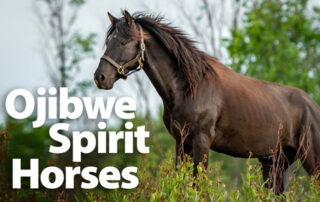
Trina Simard, Producer of the Summer Solstice Indigenous Festival and avid Equestrian, recently met with CTV to share the story of four rare and endangered Ojibwe Spirit Horses brought to the National Capital Region by Indigenous Experiences.
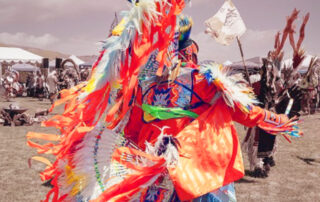
We are very excited to be sponsoring the 2021 Summer Solstice Indigenous Festival! Know History is sponsoring the Traditional Knowledge segments featured during the International Pow Wow Competition, and the Family Cultural Connections Program!
As a society, we are used to speaking about violence in the language of crisis. Stories reported in the media often focus on a moment in time – the combination of factors that, when combined, lead to death.
The Shingwauk Residential Schools Centre (SRSC) and Know History will be co-hosting the upcoming virtual panel: Situating Early Residential Schools in Settler Canadian Society. Join us on June 15, at 12:00 PM EST. The event will be held virtually over Zoom, is free to attend, and everyone is welcome!
In this three-part blog, I will reflect on different aspects of colonialism and how that has impacted Indigenous identity from my perspective. In this post, I will reflect on behaviours classified as white or “Indian” by colonial spectators. I will also draw on my experiences growing up with both Indigenous and non-Indigenous relations.
In this three-part blog, I will reflect on different aspects of colonialism and how that has impacted Indigenous identity from my perspective. Colonialism has impacted, controlled, and, in some cases, changed Indigenous identities. As an Indigenous person who also happens to be a historian, it is evident that the qualities that shaped Canada were heavily dependent on my ancestors’ assimilation and dehumanization—clearing them out so that newcomers could find prosperity.
More than 26 years after receiving a boil water advisory the people of Neskantaga First Nation are still asking for safe water - a basic human right. The lack of safe water in this community has significantly decreased the quality of life for its members resulting in medical, health, and safety issues.
March 22nd marks World Water Day, a day established by the United Nations to celebrate and protect clean water. Too many people view water as a resource: something we consume that is necessary for life, and that people in many parts of the world can’t access.
A single drinking water advisory can mean as many as 5,000 people lack access to safe, clean drinking water. In 2018, there were 174 drinking water advisories in over 100 First Nations, with some communities being without safe water for over 20 years. This should be history.

We acknowledge that we meet and work on Indigenous lands across this nation. We pay respect to Elders, past and present, and acknowledge the pivotal role that Indigenous peoples continue to play within Canada.
Accessibility Policy | Privacy Policy